Maximizing Compensation: Brain Injury Claims

Brain injuries can have a significant impact on a person’s life, often resulting in long-term physical, cognitive, and emotional impairments. When these injuries are caused by the negligence or wrongdoing of another party, the injured individual may be entitled to compensation for their damages. However, navigating the legal process of filing a brain injury claim can be complex and challenging. It is crucial to understand the different types of brain injuries, the common causes, and how they can impact compensation claims. Seeking medical attention, documenting injuries, determining liability, working with an experienced attorney, calculating damages, negotiating with insurance companies and defendants, pursuing compensation for medical expenses and future care, lost wages and reduced earning capacity, as well as non-economic damages, and preparing for litigation and trial are all important aspects of brain injury claims that will be discussed in this article. Key Takeaways Brain injuries can have a significant impact on compensation claims. Seeking medical attention and documenting injuries is crucial in brain injury claims. Determining liability is a key factor in brain injury claims. Working with an experienced brain injury attorney can increase the chances of a successful claim. Calculating the value of brain injury claims requires careful consideration of various factors. Understanding Brain Injuries and Their Impact on Compensation Claims Brain injuries can range from mild concussions to severe traumatic brain injuries (TBIs). A concussion is a type of brain injury that occurs when the brain is jolted or shaken inside the skull. It can result in temporary loss of consciousness, confusion, memory problems, and other symptoms. On the other hand, TBIs are more severe and can cause long-term or permanent disabilities. They can result from a blow to the head or a penetrating injury that disrupts normal brain function. Common causes of brain injuries include car accidents, falls, sports-related injuries, workplace accidents, and medical malpractice. In car accidents, for example, the sudden impact can cause the head to strike against the steering wheel or windshield, leading to a brain injury. Similarly, falls from heights or on slippery surfaces can result in head trauma. Sports-related injuries often occur due to collisions or falls during contact sports such as football or hockey. Brain injuries can have a significant impact on compensation claims. They can result in substantial medical expenses, including hospital stays, surgeries, rehabilitation, and ongoing therapy. Additionally, brain injuries can lead to long-term or permanent disabilities that may require modifications to the home, assistive devices, and ongoing medical care. These factors can significantly increase the value of a compensation claim. The Importance of Seeking Medical Attention and Documenting Injuries Seeking immediate medical attention after a brain injury is crucial for several reasons. First and foremost, it ensures that the injured individual receives the necessary medical care and treatment. Prompt medical attention can help prevent further damage and improve the chances of a successful recovery. Additionally, seeking medical attention creates a record of the injury and its severity, which is essential for filing a compensation claim. Documenting injuries is equally important in brain injury claims. This includes obtaining medical records, diagnostic test results, and any other documentation related to the injury. These records serve as evidence of the extent of the injury and its impact on the individual’s life. They can also help establish a causal link between the brain injury and the negligence or wrongdoing of the responsible party. Medical records play a crucial role in compensation claims as they provide objective evidence of the injury and its impact. They can be used to calculate damages and demonstrate the need for ongoing medical care or rehabilitation. Without proper documentation, it can be challenging to prove the extent of the injury and its long-term consequences. Determining Liability in Brain Injury Claims Factors Description Severity of injury The extent of the brain injury and its impact on the victim’s life. Cause of injury The circumstances that led to the brain injury, such as a car accident or medical malpractice. Contributory negligence The degree to which the victim’s actions contributed to the brain injury. Expert testimony The opinions of medical and legal experts regarding liability for the brain injury. Insurance coverage The amount and type of insurance coverage available to compensate the victim for their brain injury. Determining liability is a critical aspect of brain injury claims. In order to recover compensation, it must be established that another party was negligent or at fault for causing the injury. This requires proving that the responsible party owed a duty of care to the injured individual, breached that duty, and caused the brain injury as a result. Liability in brain injury claims can be attributed to various parties depending on the circumstances of the case. In car accidents, for example, liability may rest with another driver who was negligent or reckless. In workplace accidents, the employer may be held liable if they failed to provide a safe working environment or proper safety equipment. In medical malpractice cases, liability may be attributed to a healthcare professional who provided substandard care or made a mistake during treatment. Proving liability in brain injury claims can be challenging as it requires gathering evidence, interviewing witnesses, and presenting a compelling case. It is crucial to work with an experienced attorney who can navigate the legal complexities and build a strong case on behalf of the injured individual. Working with an Experienced Brain Injury Attorney Working with an experienced brain injury attorney is highly beneficial for individuals pursuing compensation claims. These attorneys have the knowledge, skills, and resources necessary to handle complex brain injury cases. They understand the legal process and can guide their clients through each step, ensuring that their rights are protected and their best interests are represented. An attorney can help with compensation claims by conducting a thorough investigation into the accident or incident that caused the brain injury. They can gather evidence, interview witnesses, and consult with experts to establish liability. Additionally, an attorney can calculate the value of the claim by considering factors
Unintended Gunfire: The Dangers of Accidental Discharge

Accidental discharge refers to the unintentional firing of a firearm. It occurs when a gun discharges without the intention of the shooter, often resulting in unintended and potentially harmful consequences. Accidental discharge is an important topic to discuss in the context of responsible gun ownership because it highlights the need for proper training, education, and safety measures when handling firearms. Responsible gun ownership involves not only understanding how to use a firearm safely but also being aware of the potential risks and taking necessary precautions to prevent accidents. Accidental discharge can have serious consequences, both for the individuals involved and for society as a whole. By addressing this issue and promoting responsible gun ownership, we can work towards reducing the number of accidents and ensuring the safety of gun owners and those around them. Key Takeaways Accidental discharge is a serious issue that can have devastating consequences. Human error is a major cause of accidental discharge, highlighting the importance of proper gun handling and safety training. Accidental discharge can have a significant impact on both gun owners and society as a whole. There are common myths and misconceptions surrounding accidental discharge that need to be addressed. Preventing accidental discharge requires a combination of best practices, strategies, and technology, as well as promoting responsible gun ownership and safety education. Understanding the Causes of Unintended Gunfire Accidental discharge can occur due to various factors, including mechanical malfunctions, human error, and environmental factors. Mechanical malfunctions can happen when there is a defect in the firearm’s design or manufacturing process. These malfunctions can cause the gun to discharge unexpectedly, even if the shooter follows all safety protocols. Human error is another common cause of accidental discharge. This can include mistakes such as unintentionally pulling the trigger while handling the firearm or failing to properly engage safety mechanisms. In some cases, individuals may not have received proper training or education on how to handle firearms safely, leading to accidents. Environmental factors can also contribute to accidental discharge. For example, if a firearm is dropped or bumped against a hard surface, it may discharge unexpectedly. Additionally, extreme temperatures or exposure to moisture can affect the functioning of a firearm and increase the risk of accidental discharge. The Impact of Accidental Discharge on Gun Owners and Society Accidental discharge can have severe consequences for both gun owners and society as a whole. On an individual level, accidental discharge can result in physical harm to the shooter or others in close proximity. In some cases, these injuries can be life-threatening or even fatal. The emotional trauma experienced by victims and their families can also be significant, leading to long-lasting psychological effects. In addition to the physical and emotional harm caused by accidental discharge, gun owners may also face legal and financial consequences. Depending on the circumstances, gun owners may be held legally responsible for any injuries or damages caused by their firearm. This can result in criminal charges, civil lawsuits, and significant financial burdens. Furthermore, accidental discharge can have a negative impact on the public perception of gun ownership. When accidents occur, it reinforces the belief that firearms are inherently dangerous and that gun owners are irresponsible. This can lead to increased scrutiny and regulation of gun ownership, making it more difficult for responsible individuals to exercise their Second Amendment rights. The Role of Human Error in Accidental Discharge Metrics Values Number of accidental discharges caused by human error 75% Types of human errors leading to accidental discharge Lack of training Improper handling of firearm Failure to follow safety protocols Distraction or complacency Impact of accidental discharge caused by human error Injury or death Legal and financial consequences Damaged reputation Preventive measures to reduce human error in accidental discharge Regular training and education Strict adherence to safety protocols Use of technology to enhance safety Encouraging a culture of safety Human error is a significant factor in accidental discharge incidents. Common mistakes made by gun owners include failing to properly clear a firearm before handling it, unintentionally pulling the trigger while cleaning or adjusting the firearm, or mishandling a loaded firearm. These errors can have serious consequences and highlight the importance of proper training and education for gun owners. Proper training and education are essential in preventing accidental discharge incidents. By learning about firearm safety rules and best practices, gun owners can minimize the risk of accidents. Training programs often cover topics such as safe handling techniques, proper storage and transportation of firearms, and how to respond in emergency situations. By understanding the potential risks and how to mitigate them, gun owners can reduce the likelihood of accidental discharge. The Importance of Proper Gun Handling and Safety Training To prevent accidental discharge incidents, it is crucial for gun owners to prioritize proper gun handling and safety training. There are several basic safety rules that all gun owners should follow: 1. Always treat every firearm as if it is loaded, even if you believe it to be unloaded.2. Keep your finger off the trigger until you are ready to shoot.3. Never point a firearm at anything you do not intend to shoot.4. Be aware of your target and what is beyond it.5. Store firearms securely and out of reach of unauthorized individuals. While these basic safety rules provide a foundation for responsible gun ownership, formal training and education can further enhance gun owners’ skills and knowledge. Many organizations offer comprehensive training programs that cover a wide range of topics, including firearm safety, marksmanship, and self-defense techniques. These programs often include hands-on instruction and practical exercises to ensure that gun owners are well-prepared to handle firearms safely. In addition to formal training programs, there are also numerous resources available for gun owners to improve their skills and knowledge. Online tutorials, instructional videos, and books can provide valuable information on firearm safety and best practices. Gun owners should take advantage of these resources to continually educate themselves and stay up-to-date on the latest safety guidelines. Common Myths and Misconceptions About Accidental
Air Force Lawyer: Defending Justice and Honor

Air Force lawyers play a crucial role in the military, defending justice and honor within the Air Force. As legal professionals, they are responsible for providing legal advice and representation to the Air Force and its members. Their work is essential in upholding the rule of law and ensuring that the Air Force operates within legal boundaries. In this article, we will explore the role of Air Force lawyers, their responsibilities, and the importance of defending justice and honor in the Air Force. Key Takeaways Air Force lawyers are legal professionals who provide legal advice and representation to members of the Air Force. Defending justice and honor is a crucial aspect of the Air Force’s mission, and Air Force lawyers play a vital role in upholding these values. Air Force lawyers are involved in a wide range of military operations and legal affairs, including advising commanders on legal issues and representing service members in court-martial proceedings. To become an Air Force lawyer, individuals must meet certain qualifications and complete specialized training programs. Air Force lawyers handle a variety of legal cases, including criminal prosecutions, administrative proceedings, and civil litigation. What is an Air Force Lawyer and What Do They Do? An Air Force lawyer, also known as a Judge Advocate General (JAG) officer, is a legal professional who serves in the United States Air Force. They are responsible for providing legal advice, counsel, and representation to the Air Force and its members. Their duties include advising commanders on legal matters, prosecuting and defending military personnel in court-martial proceedings, and providing legal assistance to service members and their families. Air Force lawyers are trained in both military law and civilian law. They must have a Juris Doctor (JD) degree from an accredited law school and be licensed to practice law in at least one state. Additionally, they must complete the Judge Advocate Officer Basic Course (JAOBC), which provides them with the necessary training to fulfill their duties as JAG officers. The Importance of Defending Justice and Honor in the Air Force The Air Force has three core values: integrity first, service before self, and excellence in all we do. These values form the foundation of the Air Force’s culture and guide the actions of its members. Air Force lawyers play a vital role in upholding these values through their work. Integrity first means that Air Force members must always do what is right, even when no one is watching. Air Force lawyers ensure that justice is served by upholding the rule of law and ensuring that legal processes are followed. They provide legal advice to commanders, ensuring that their decisions are in compliance with the law and the Air Force’s core values. Service before self means that Air Force members prioritize the needs of the mission and the welfare of others above their own. Air Force lawyers serve their fellow service members by providing legal assistance and representation. They advocate for the rights of military personnel and ensure that they receive fair treatment under the law. Excellence in all we do means that Air Force members strive for excellence in everything they do. Air Force lawyers exemplify this value by providing high-quality legal services to the Air Force. They are responsible for prosecuting and defending military personnel in court-martial proceedings, ensuring that justice is served and the rights of all parties are protected. The Role of Air Force Lawyers in Military Operations and Legal Affairs Topic Description Role of Air Force Lawyers Provide legal advice and support to commanders and military personnel in all areas of military operations and legal affairs. Legal Assistance Assist military personnel with legal issues such as wills, powers of attorney, and consumer protection. Operational Law Advise commanders on the legal aspects of military operations, including targeting, detention, and rules of engagement. International Law Provide guidance on international law, including the law of armed conflict, human rights, and status of forces agreements. Administrative Law Advise on administrative law matters, including military justice, ethics, and personnel issues. Contract Law Assist with contract law matters, including procurement and acquisition. Air Force lawyers play a crucial role in military operations and legal affairs. They provide legal support to commanders, ensuring that their decisions are legally sound and in compliance with military regulations. They also advise on matters such as international law, operational law, and rules of engagement. One example of a legal issue faced by the Air Force is the prosecution of military personnel accused of crimes. Air Force lawyers are responsible for prosecuting these cases in court-martial proceedings, ensuring that justice is served and the rights of all parties are protected. Another example is providing legal assistance to service members and their families. Air Force lawyers offer advice on a wide range of legal issues, including family law, estate planning, and consumer protection. They help service members navigate the legal system and ensure that their rights are protected. The Qualifications and Training Required to Become an Air Force Lawyer To become an Air Force lawyer, individuals must meet certain qualifications and undergo specific training. First, they must have a Juris Doctor (JD) degree from an accredited law school. They must also be licensed to practice law in at least one state. In addition to their legal education, Air Force lawyers must complete the Judge Advocate Officer Basic Course (JAOBC). This course provides them with the necessary training to fulfill their duties as JAG officers. It covers topics such as Military Law, military justice, and legal assistance. After completing the JAOBC, Air Force lawyers may choose to specialize in a particular area of law, such as criminal law, international law, or administrative law. They can also pursue advanced training through programs such as the Air Force Institute of Technology (AFIT) or the Air Force Judge Advocate General’s School (AFJAGS). The Different Types of Legal Cases Handled by Air Force Lawyers Air Force lawyers handle a wide range of legal cases, both in military and civilian courts. They are responsible
Air Force JAG: Advocates for Justice and Military Discipline

The Air Force Judge Advocate General’s Corps (JAG) is a vital component of the United States Air Force, responsible for maintaining military discipline and upholding the law within the military justice system. The role of Air Force JAG officers is crucial in ensuring that service members adhere to the highest standards of conduct and professionalism. By enforcing military law and providing legal services to service members and their families, Air Force JAG officers play a pivotal role in maintaining the integrity and effectiveness of the Air Force. Maintaining military discipline is of utmost importance in any military organization. It ensures that service members follow orders, adhere to regulations, and conduct themselves in a manner that upholds the values and principles of the military. Without discipline, chaos can ensue, compromising the effectiveness and readiness of the Air Force. The role of Air Force JAG officers is to enforce Military Law and ensure that service members are held accountable for their actions. By doing so, they contribute to maintaining order, discipline, and morale within the Air Force. Key Takeaways Air Force JAG officers are advocates for justice and military discipline. They play a crucial role in maintaining military discipline and upholding military justice. Air Force JAG officers are legal experts who provide legal assistance to service members and their families. The history of Air Force JAG has evolved over time to meet the changing needs of the military community. Becoming an Air Force JAG officer requires extensive training and education. The Role of Air Force JAG in Maintaining Military Discipline Air Force JAG officers play a crucial role in maintaining military discipline by enforcing military law and ensuring that service members are held accountable for their actions. They serve as legal advisors to commanders, providing guidance on disciplinary matters and ensuring that appropriate actions are taken when misconduct occurs. In cases where service members are accused of violating military law, Air Force JAG officers act as prosecutors or defense counsel during court-martial proceedings. One example of a case where Air Force JAG played a crucial role in maintaining discipline is the prosecution of sexual assault cases within the military. Sexual assault is a serious offense that undermines trust, cohesion, and morale within the ranks. Air Force JAG officers work tirelessly to ensure that victims receive justice and that perpetrators are held accountable for their actions. By prosecuting sexual assault cases, Air Force JAG officers send a clear message that such behavior will not be tolerated within the Air Force, contributing to the maintenance of military discipline. Air Force JAG: Legal Experts Serving the Military Community Air Force JAG officers are legal experts who provide a wide range of legal services to service members and their families. These services include legal assistance, military justice, operational law, international law, and civil law. Air Force JAG officers are trained to handle a variety of legal issues that service members may encounter throughout their careers. Legal assistance is one of the primary services provided by Air Force JAG officers. They offer advice and representation to service members and their families on a range of legal matters, including family law, estate planning, consumer law, and landlord-tenant disputes. By providing legal assistance, Air Force JAG officers ensure that service members have access to the legal resources they need to navigate the complexities of civilian life. The History of Air Force JAG and Its Evolution over Time Year Event Milestone 1775 Continental Army JAG Established by George Washington 1948 US Air Force JAG Created as a separate branch of the military 1950 Uniform Code of Military Justice Enacted, replacing the Articles of War 1972 Women in JAG First female JAG officer commissioned 1992 Don’t Ask, Don’t Tell Policy implemented, affecting JAG’s role in military justice 2001 War on Terror JAG plays a critical role in military operations and detainee treatment 2011 Sexual Assault Prevention and Response JAG takes on a larger role in addressing sexual assault in the military The Air Force JAG Corps has a rich history that dates back to the establishment of the United States Air Force as a separate branch of the military in 1947. Initially, the Air Force JAG Corps was a small organization with limited resources. However, over time, it has grown in size and scope to meet the evolving needs of the Air Force. Throughout its history, the Air Force JAG Corps has adapted to changing times and challenges. For example, during times of conflict or war, the demand for legal services increases significantly. The Air Force JAG Corps has responded to these demands by expanding its ranks and capabilities to ensure that service members receive the legal support they need. Air Force JAG: Providing Legal Assistance to Service Members and Their Families One of the key roles of Air Force JAG officers is to provide legal assistance to service members and their families. This includes advice and representation on a wide range of legal issues, such as family law, estate planning, consumer law, and landlord-tenant disputes. Air Force JAG officers are trained to handle these matters and ensure that service members have access to the legal resources they need. Legal assistance provided by Air Force JAG officers is crucial in helping service members navigate the complexities of civilian life. For example, in family law cases, Air Force JAG officers can provide guidance on divorce, child custody, and child support matters. They can also assist with estate planning, ensuring that service members have the necessary documents in place to protect their assets and provide for their families in the event of their death. The Training and Education Required to Become an Air Force JAG Officer Becoming an Air Force JAG officer requires a high level of training and education. To qualify for the Air Force JAG Corps, individuals must first complete a bachelor’s degree from an accredited college or university. They must then attend an accredited law school and obtain a Juris Doctor (JD) degree. After completing law school, individuals must
Military Judges: Upholding Justice in the Armed Forces
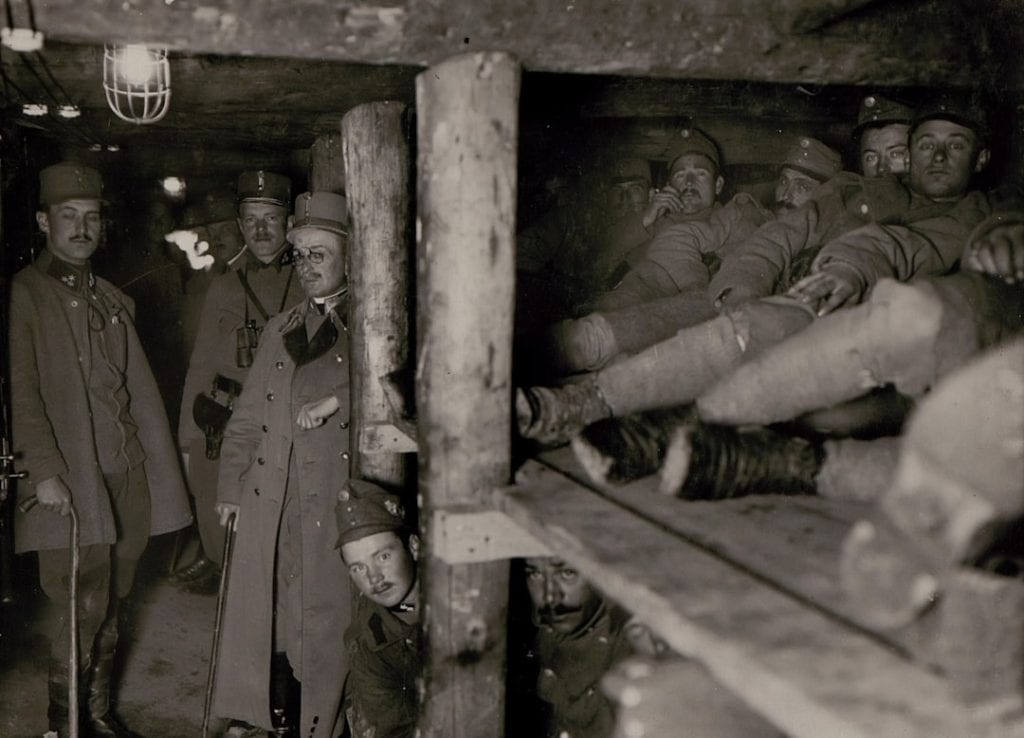
Military judges play a crucial role in the armed forces by ensuring that justice is upheld within the military justice system. They are responsible for presiding over court-martial proceedings and making impartial decisions based on the evidence presented. Military judges are essential in maintaining order and discipline within the armed forces, as they ensure that service members are held accountable for their actions and that their rights are protected. Key Takeaways Military judges play a crucial role in upholding justice in the armed forces. Qualifications and selection process for military judges are rigorous and demanding. Military judges have powers and limitations in the courtroom, and the military justice system differs from civilian courts. Military judges maintain order and discipline in the armed forces, impacting the lives of service members and their families. Adjudicating cases in a combat zone presents unique challenges for military judges. The Importance of Upholding Justice in the Military Justice is crucial in the military because it ensures that service members are treated fairly and that their rights are protected. It also helps maintain discipline and order within the armed forces, as service members know that they will be held accountable for their actions. Upholding justice in the military also helps to maintain public trust and confidence in the armed forces, as it demonstrates that the military takes allegations of misconduct seriously and is committed to ensuring a fair and impartial process. One example of how justice is upheld in the military is through court-martial proceedings. These proceedings are similar to civilian criminal trials, but with some key differences. Military judges preside over court-martial proceedings and ensure that both the prosecution and defense have a fair opportunity to present their case. They also make rulings on evidentiary matters and instruct the jury, if there is one, on the law. At the conclusion of the trial, military judges render a verdict and, if necessary, impose a sentence. The Qualifications and Selection Process for Military Judges To become a military judge, individuals must meet certain qualifications. These qualifications vary depending on the branch of service, but generally include being a commissioned officer with at least 10 years of active duty service, having a law degree from an accredited law school, and being licensed to practice law in at least one state or jurisdiction. The selection process for military judges is rigorous and competitive. Candidates must submit an application and undergo a thorough background investigation. They may also be required to undergo an interview and provide references. Once selected, military judges typically serve for a fixed term, usually between three and five years, before being eligible for reappointment. The Powers and Limitations of Military Judges in the Courtroom Topic Description Authority Military judges have the authority to preside over court-martial proceedings and make rulings on evidentiary issues, motions, and objections. Limitations Military judges are limited in their ability to impose sentences, as they are bound by the maximum punishment authorized by law for each offense. Experience Military judges are typically experienced military lawyers who have served as prosecutors or defense counsel before being appointed to the bench. Impartiality Military judges are required to be impartial and unbiased in their decision-making, and must recuse themselves from cases where they have a conflict of interest. Appeals Military judges’ decisions can be appealed to higher military courts, and ultimately to the U.S. Supreme Court. Training Military judges receive specialized training in military law and court-martial procedures to ensure they are equipped to handle complex legal issues. Military judges have both powers and limitations in the courtroom. They have the authority to make rulings on evidentiary matters, issue subpoenas, and enforce orders. They also have the power to impose sentences within the limits prescribed by law. However, military judges are limited in their authority by the Uniform Code of Military Justice (UCMJ) and other applicable laws and regulations. They must follow the rules of evidence and procedure, and their decisions are subject to review by higher courts. Additionally, military judges do not have the power to grant clemency or pardon, as this authority rests with the convening authority or higher-level commanders. In comparison to civilian judges, military judges have similar powers but operate within a different legal framework. While both civilian and military judges are responsible for ensuring a fair trial and upholding justice, military judges must also consider the unique needs and requirements of the armed forces. Military Justice System: How it Differs from Civilian Courts The military justice system differs from civilian courts in several ways. One key difference is that military justice is governed by the UCMJ, which is a separate legal code that applies exclusively to members of the armed forces. The UCMJ sets forth the rights and responsibilities of service members and establishes the procedures for conducting court-martial proceedings. Another difference is that military justice is administered by military personnel, including military judges, rather than civilian judges. This is because the military justice system is designed to address offenses that are unique to the armed forces, such as desertion or insubordination. Additionally, there are differences in the types of offenses that can be prosecuted in military courts. While civilian courts have jurisdiction over a wide range of criminal offenses, military courts primarily handle offenses that are directly related to military service, such as violations of the UCMJ or the laws of war. The Role of Military Judges in Maintaining Order and Discipline in the Armed Forces Military judges play a crucial role in maintaining order and discipline within the armed forces. By presiding over court-martial proceedings, they ensure that service members are held accountable for their actions and that the military justice system operates effectively. One way in which military judges help maintain order and discipline is by ensuring that service members receive a fair trial. This includes ensuring that both the prosecution and defense have a fair opportunity to present their case, that the rules of evidence and procedure are followed, and that the rights of the
Exploring Military Lawyers’ Salaries: A Comprehensive Guide

Military lawyers, also known as Judge Advocates, play a crucial role in the armed forces by providing legal advice and representation to service members. They handle a wide range of legal issues, including military justice, administrative law, international law, and operational law. Given the importance of their role, it is essential to discuss the salaries of Military Lawyers for those considering a career in this field. Understanding the salary potential of military lawyers is crucial for individuals who are contemplating a career in military law. It allows them to make informed decisions about their future and weigh the financial aspects of this profession. While salary should not be the sole determining factor in choosing a career, it is an important consideration that can impact one’s quality of life and financial stability. Key Takeaways Military lawyers’ salaries vary based on rank, experience, and branch of service. Entry-level military lawyers can expect to earn around ,000 per year, while senior positions can earn over 0,000 per year. Military lawyers generally earn less than their civilian counterparts, but they also receive additional benefits and perks. Military lawyers’ salaries can vary by branch of service, with the Air Force typically offering the highest salaries. Geographic location can also impact military lawyers’ salaries, with higher salaries in areas with a higher cost of living. Factors Affecting Military Lawyers’ Salaries Several factors influence the salaries of military lawyers. These include rank and years of experience, branch of service, geographic location, and specialization within military law. Rank and years of experience play a significant role in determining a military lawyer’s salary. As with any profession, higher ranks and more experience generally lead to higher salaries. Military lawyers start as officers and can progress through various ranks, such as Captain, Major, Lieutenant Colonel, and Colonel. Each rank comes with its own salary range, reflecting the increased responsibilities and experience required. The branch of service also affects military lawyers’ salaries. The Army, Navy, Air Force, and Marine Corps each have their own pay scales and structures. While there may be some variations within each branch, the overall salary ranges are generally comparable. Geographic location is another factor that impacts military lawyer salaries. Just like civilian jobs, the cost of living varies across different regions. Military lawyers stationed in high-cost areas such as New York City or San Francisco may receive additional allowances or special pay to offset the higher expenses associated with living in those locations. Specialization within military law can also affect salaries. Some areas of military law, such as international law or operational law, may require additional training and expertise. Military lawyers who specialize in these fields may receive higher salaries due to the specialized knowledge and skills they bring to their roles. Military Lawyer Salary Range: Entry-Level to Senior Positions The salary range for military lawyers varies depending on rank and years of experience. Entry-level military lawyers typically start at the rank of Captain and can expect a salary range of $50,000 to $70,000 per year. As they gain more experience and move up in rank, their salaries increase accordingly. A Major, for example, can earn between $80,000 and $120,000 per year, while a Lieutenant Colonel can earn between $100,000 and $150,000 per year. The highest-ranking military lawyers, Colonels, can earn salaries ranging from $120,000 to $180,000 per year. When comparing military lawyer salaries to those of civilian lawyers, it is important to note that military lawyers generally earn less than their civilian counterparts. According to the Bureau of Labor Statistics, the median annual wage for lawyers in the United States was $126,930 as of May 2020. However, it is essential to consider the additional benefits and perks that come with a career in military law. Comparison of Military Lawyers’ Salaries with Civilian Lawyers Position Years of Experience Median Salary (per year) Military Lawyer 1-3 60,000 Civilian Lawyer 1-3 80,000 Military Lawyer 4-6 75,000 Civilian Lawyer 4-6 100,000 Military Lawyer 7-9 90,000 Civilian Lawyer 7-9 120,000 Military Lawyer 10+ 100,000 Civilian Lawyer 10+ 150,000 While military lawyers may earn less than civilian lawyers on average, there are several factors to consider when comparing the two professions. One significant advantage of a career in military law is the comprehensive benefits package provided to service members. Military lawyers receive healthcare benefits for themselves and their families, retirement plans, and access to educational opportunities such as tuition assistance and loan repayment programs. These benefits can significantly offset the difference in salary between military and civilian lawyers. Additionally, military lawyers have the unique opportunity to serve their country and work closely with service members. They often have the chance to travel and gain valuable experience in various legal areas, including international law and operational law. These experiences can be personally fulfilling and provide a sense of purpose that may outweigh the financial considerations. On the other hand, civilian lawyers have more flexibility in terms of location and practice areas. They can choose to work in private firms, government agencies, or non-profit organizations, allowing for a wider range of career options. Civilian lawyers also have the potential to earn higher salaries, especially in prestigious law firms or specialized fields. Ultimately, the decision between a career in military law or civilian law depends on individual preferences and priorities. While salary is an important factor to consider, it should not be the sole determining factor in choosing a career path. Military Lawyer Salary by Branch of Service The salaries of military lawyers can vary slightly depending on the branch of service they belong to. Each branch has its own pay scales and structures, which may result in slight differences in salary ranges. In general, the salary ranges for military lawyers across the branches are comparable. However, there may be some variations based on factors such as rank and years of experience. For example, an entry-level Army lawyer (Captain) can expect a salary range of $50,000 to $70,000 per year. A Navy lawyer at the same rank would have a similar salary range.
Empowering Military Personnel: The Importance of Power of Attorneys

Power of attorney is a legal document that grants someone the authority to act on your behalf in various matters. For military personnel, having a power of attorney is especially important due to the unique challenges they face, such as frequent deployments and the need for someone to manage their affairs while they are away. In this article, we will explore the basics of power of attorney, the benefits of having one for military personnel, the different types of power of attorney, and the importance of choosing the right person to act as your power of attorney. We will also discuss the legal considerations and the importance of keeping your power of attorney up to date. Key Takeaways A Power of Attorney is a legal document that allows someone to act on your behalf in various situations. Military personnel can benefit from having a Power of Attorney, especially during deployments. There are different types of Power of Attorney, including General, Limited, and Durable. A Power of Attorney can play a crucial role in managing your affairs during military deployments. A Power of Attorney for Medical Decisions can ensure that your wishes are respected in case of incapacitation. Understanding the Basics: What is a Power of Attorney? A power of attorney is a legal document that allows you to appoint someone to make decisions on your behalf. This person, known as your agent or attorney-in-fact, can act in various matters depending on the scope of authority granted in the power of attorney document. The authority can be limited to specific tasks or broad enough to cover all aspects of your life. The power of attorney document must be signed and notarized to be legally valid. It is important to choose someone you trust and who understands your wishes and values to act as your agent. The document can be revoked at any time as long as you are mentally competent. The Benefits of Having a Power of Attorney for Military Personnel Military personnel face unique challenges that make having a power of attorney especially beneficial. Frequent deployments can make it difficult to manage personal affairs, such as paying bills, managing finances, and making medical decisions. Having a trusted person designated as your power of attorney can ensure that these matters are taken care of in your absence. A power of attorney can also provide peace of mind for military personnel and their families. Knowing that there is someone authorized to act on their behalf can alleviate stress and allow them to focus on their duties. It can also help prevent delays and complications in case of emergencies or unexpected events. Ensuring Your Affairs are Managed: Types of Power of Attorney Types of Power of Attorney Description General Power of Attorney Gives broad powers to the agent to act on behalf of the principal in financial and legal matters. Special Power of Attorney Limits the powers of the agent to specific actions or transactions. Durable Power of Attorney Remains in effect even if the principal becomes incapacitated or unable to make decisions. Springing Power of Attorney Becomes effective only when a specific event or condition occurs, such as the incapacity of the principal. Healthcare Power of Attorney Gives the agent the power to make healthcare decisions on behalf of the principal if they are unable to do so. There are different types of power of attorney that can be used depending on the specific needs and circumstances of military personnel. The two main types are general power of attorney and limited power of attorney. A general power of attorney grants broad authority to the agent to act on your behalf in various matters, such as managing finances, making medical decisions, and handling legal matters. This type of power of attorney is useful for military personnel who want to ensure that all aspects of their life are taken care of while they are away. A limited power of attorney, on the other hand, grants specific authority to the agent for a limited period or specific task. For example, you can grant someone the authority to sell a property on your behalf while you are deployed. This type of power of attorney is useful for military personnel who want to delegate specific tasks or decisions to someone they trust. The Role of a Power of Attorney in Military Deployments Deployments can be challenging for military personnel and their families. Having a power of attorney can help alleviate some of the stress and ensure that affairs are managed smoothly during this time. The power of attorney can be used to handle financial matters, such as paying bills and managing investments, as well as making medical decisions and handling legal matters. During deployments, military personnel may not have access to their personal documents or be able to communicate regularly. Having a power of attorney allows their designated agent to act on their behalf and make necessary decisions without delay. It is important to choose someone who is reliable and capable of handling these responsibilities. Preparing for the Unexpected: Power of Attorney for Medical Decisions In addition to managing financial matters, having a power of attorney for medical decisions is crucial for military personnel. In case of an emergency or incapacitation, the designated agent can make medical decisions on their behalf. This can include decisions about treatment options, surgeries, and end-of-life care. Having a power of attorney for medical decisions ensures that your wishes are respected and that someone you trust is making decisions in your best interest. It is important to discuss your medical preferences with your designated agent and provide them with any necessary documentation, such as a living will or healthcare directive. Power of Attorney for Financial Decisions: Protecting Your Assets Managing finances can be challenging for military personnel, especially during deployments or when stationed overseas. Having a power of attorney for financial decisions allows someone you trust to handle your financial affairs in your absence. This can include paying bills, managing investments,
Protecting Your Rights: Discrimination Employment Attorney

Understanding discrimination in the workplace is crucial for creating a fair and inclusive work environment. Discrimination can have a significant impact on employees and the overall workplace culture. It is important to be aware of the various forms of discrimination, know your employee rights, and take appropriate action if you experience or witness discrimination. In this article, we will explore the definition of discrimination, examples of discrimination in the workplace, the importance of knowing your employee rights, types of discrimination in employment, how to file a discrimination complaint, the role of an employment attorney in protecting your rights, what to look for in an employment attorney, common employment discrimination cases, the benefits of hiring an employment attorney, how to prove discrimination in the workplace, and taking legal action against discrimination in employment. Key Takeaways Discrimination in the workplace can take many forms, including age, race, gender, and disability. Knowing your employee rights is crucial to protecting yourself from discrimination in the workplace. Types of discrimination in employment include disparate treatment, disparate impact, and retaliation. Filing a discrimination complaint involves gathering evidence, submitting a complaint to the appropriate agency, and participating in an investigation. An employment attorney can help protect your rights by providing legal advice, representing you in court, and negotiating settlements. Understanding Discrimination in the Workplace Discrimination refers to treating someone unfairly or differently based on certain characteristics such as race, gender, age, religion, disability, or sexual orientation. It can manifest in various ways in the workplace, including hiring and firing decisions, promotions and pay disparities, harassment and hostile work environments, and denial of opportunities for training and advancement. Examples of discrimination in the workplace can include a qualified candidate being passed over for a job because of their race or gender, an employee being subjected to derogatory comments or jokes based on their religion or sexual orientation, or a pregnant employee being denied reasonable accommodations. The impact of discrimination on employees and the workplace is significant. Discrimination can lead to decreased job satisfaction and morale among employees who are targeted. It can also result in increased turnover rates as employees may choose to leave a hostile work environment. Discrimination can also hinder productivity and innovation as employees who are discriminated against may feel undervalued and less motivated to contribute their best work. The Importance of Knowing Your Employee Rights Knowing your employee rights is essential for protecting yourself against discrimination in the workplace. Employee rights encompass a range of protections, including the right to be free from discrimination, the right to a safe and healthy work environment, the right to fair wages and benefits, and the right to reasonable accommodations for disabilities. Understanding your employee rights can empower you to recognize and address instances of discrimination. It can also help you navigate the complaint process if you experience discrimination. By knowing your rights, you can advocate for yourself and take appropriate action to protect your interests. To educate yourself on your employee rights, start by reviewing your company’s policies and procedures. Familiarize yourself with any anti-discrimination policies in place and understand the steps for reporting discrimination. Additionally, research federal and state laws that protect employees from discrimination, such as Title VII of the Civil Rights Act of 1964 or the Americans with Disabilities Act (ADA). There are also resources available online and through government agencies that provide information on employee rights. Types of Discrimination in Employment Types of Discrimination in Employment Description Examples Race Discrimination Discrimination based on a person’s race or ethnicity. Refusing to hire someone because of their skin color. Gender Discrimination Discrimination based on a person’s gender or sex. Paying a female employee less than a male employee for the same job. Age Discrimination Discrimination based on a person’s age. Refusing to hire someone because they are too old or too young. Disability Discrimination Discrimination based on a person’s disability. Refusing to provide reasonable accommodations for a disabled employee. Religious Discrimination Discrimination based on a person’s religion or beliefs. Refusing to hire someone because of their religious attire. Sexual Orientation Discrimination Discrimination based on a person’s sexual orientation. Firing an employee because they are gay or lesbian. Discrimination in employment can take various forms. It is important to be aware of these different types of discrimination to recognize when they occur and take appropriate action. Some common types of discrimination include: 1. Race Discrimination: This occurs when an individual is treated differently or unfairly based on their race or ethnicity. Examples include being denied a job or promotion because of race, being subjected to racial slurs or derogatory comments, or being given less favorable assignments or opportunities. 2. Gender Discrimination: This refers to treating someone differently based on their gender. It can include unequal pay for equal work, denial of promotions or opportunities based on gender, or sexual harassment. 3. Age Discrimination: Age discrimination occurs when an individual is treated unfairly due to their age, typically in relation to older workers. This can include being passed over for promotions in favor of younger employees or being subjected to age-related stereotypes or comments. 4. Disability Discrimination: This occurs when an individual with a disability is treated unfairly or denied reasonable accommodations. Examples include being denied employment or promotions due to a disability, being subjected to harassment or derogatory comments, or not being provided with necessary accommodations. 5. Pregnancy Discrimination: This refers to treating an employee unfairly due to pregnancy, childbirth, or related medical conditions. It can include being denied employment or promotions, being subjected to harassment or derogatory comments, or not being provided with necessary accommodations. 6. Religious Discrimination: This occurs when an individual is treated differently based on their religious beliefs or practices. Examples include being denied employment or promotions due to religious attire or practices, being subjected to harassment or derogatory comments, or not being provided with reasonable accommodations for religious practices. The impact of each type of discrimination on employees and the workplace can be significant. Discrimination can create a hostile work
Get a Free Consultation on Employment Law Today

Employment law plays a crucial role in protecting the rights and interests of both employees and employers. It encompasses a wide range of legal regulations and guidelines that govern the relationship between employers and employees, ensuring fair treatment, equal opportunities, and safe working conditions. For employees, understanding Employment Law is essential for safeguarding their rights and addressing any workplace issues they may encounter. Employers, on the other hand, must comply with employment laws to avoid legal consequences and maintain a positive work environment. In this article, we will delve into the basics of employment law, explore common workplace issues, discuss how to protect your rights as an employee, and highlight the importance of seeking legal advice for employment matters. Key Takeaways Employment law governs the relationship between employers and employees, and includes various federal and state laws. Employees have rights, including the right to a safe workplace, fair pay, and protection against discrimination and harassment. Common workplace issues include conflicts with coworkers or supervisors, discrimination, harassment, and wrongful termination. Discrimination and harassment claims can be addressed through internal complaints, legal action, or government agencies. Wage and hour laws require employers to pay employees minimum wage, overtime, and provide breaks. It is important to seek legal advice for employment matters to protect your rights and navigate complex legal issues. Understanding the Basics of Employment Law Employment law refers to the body of laws, regulations, and legal precedents that govern the relationship between employers and employees. It covers various aspects of the employment relationship, including hiring practices, wages and hours, workplace safety, discrimination and harassment prevention, employee benefits, termination procedures, and more. Employment law is a combination of federal and state laws, with federal laws setting minimum standards that apply nationwide and state laws providing additional protections. Federal laws that govern employment include the Fair Labor Standards Act (FLSA), which establishes minimum wage and overtime pay requirements; Title VII of the Civil Rights Act of 1964, which prohibits discrimination based on race, color, religion, sex, or national origin; the Americans with Disabilities Act (ADA), which protects individuals with disabilities from discrimination; and the Family and Medical Leave Act (FMLA), which grants eligible employees unpaid leave for certain family or medical reasons. State laws can vary significantly from one jurisdiction to another but often provide additional protections for employees. For example, some states have higher minimum wage rates than the federal standard or offer broader protections against discrimination based on sexual orientation or gender identity. Knowing your rights as an employee is crucial for navigating the complexities of employment law. By understanding the laws that apply to your situation, you can ensure that you are being treated fairly and can take appropriate action if your rights are violated. How to Protect Your Rights as an Employee Protecting your rights as an employee requires proactive measures and a thorough understanding of employment law. Here are some tips to help you safeguard your rights in the workplace: 1. Educate Yourself: Familiarize yourself with federal and state employment laws that apply to your situation. Stay updated on any changes or new regulations that may affect your rights. 2. Document Incidents: Keep a record of any incidents or actions that may violate employment laws, such as instances of discrimination, harassment, or wage violations. Include dates, times, locations, and descriptions of what occurred. 3. Report Violations: If you believe your rights have been violated, report the issue to your supervisor, human resources department, or another appropriate authority within your organization. Follow any internal procedures for reporting complaints. 4. Seek Legal Advice: If your employer fails to address the issue or if you experience retaliation for reporting a violation, consult with an employment law attorney. They can provide guidance on how to proceed and protect your rights. Common Workplace Issues and How to Address Them Common Workplace Issues How to Address Them Communication breakdown Encourage open communication, active listening, and regular check-ins with team members. Low employee morale Recognize and reward good work, provide opportunities for professional development, and foster a positive work environment. Workplace bullying Establish a zero-tolerance policy, provide training on respectful workplace behavior, and address any incidents immediately. Workplace stress Encourage work-life balance, provide resources for stress management, and address any underlying issues causing stress. Low productivity Set clear expectations, provide necessary resources and support, and regularly evaluate and provide feedback on performance. Workplace issues can arise in various forms, ranging from discrimination and harassment to wage disputes and wrongful termination. It is essential to address these issues promptly and effectively to protect your rights as an employee. Here are some common workplace issues and steps you can take to address them: 1. Discrimination: Discrimination occurs when an employee is treated unfairly based on their race, color, religion, sex, national origin, age, disability, or other protected characteristics. If you believe you have been discriminated against, gather evidence of the discriminatory treatment and report it to your employer’s human resources department or file a complaint with the appropriate government agency, such as the Equal Employment Opportunity Commission (EEOC). 2. Harassment: Harassment involves unwelcome conduct based on a protected characteristic, such as sexual harassment or harassment based on race or religion. If you experience harassment in the workplace, document the incidents, report them to your employer, and follow any internal procedures for reporting complaints. If the issue is not resolved, consult with an employment law attorney to explore your legal options. 3. Retaliation: Retaliation occurs when an employer takes adverse action against an employee for engaging in protected activity, such as reporting discrimination or harassment. If you experience retaliation, document the retaliatory actions and report them to your employer. If the issue persists, seek legal advice to protect your rights. It is important to note that each situation is unique, and the appropriate course of action may vary depending on the specific circumstances. Consulting with an employment law attorney can provide you with personalized guidance tailored to your situation. Navigating Discrimination and Harassment Claims Discrimination and harassment
Top Employment Lawyer: Your Key to Legal Protection

Employment lawyers play a crucial role in protecting the rights of employees and ensuring fair treatment in the workplace. From navigating complex Employment Laws to advocating for their clients in legal disputes, employment lawyers are essential in safeguarding workers’ rights. In this blog post, we will explore the various aspects of employment law and the importance of hiring an employment lawyer. Whether you are facing workplace discrimination, harassment, wrongful termination, or need assistance with employment contracts and benefits, an employment lawyer can provide the necessary legal support and guidance. Key Takeaways Employment lawyers specialize in legal issues related to the workplace, including discrimination, harassment, contracts, and termination. Hiring an employment lawyer can help protect your rights and ensure fair treatment in the workplace. Workplace discrimination can take many forms, including age, gender, race, and disability discrimination, and an employment lawyer can help you navigate these issues. If you experience workplace harassment, an employment lawyer can provide legal support and help you take action to stop the harassment. Negotiating employment contracts can be complex, but with legal support, you can ensure that your rights and interests are protected. Understanding the Role of an Employment Lawyer An employment lawyer specializes in the field of law that deals with the relationship between employers and employees. They are well-versed in the intricacies of employment law and can provide legal advice and representation to both individuals and organizations. Employment law covers a wide range of areas, including but not limited to, discrimination, harassment, wrongful termination, wage and hour disputes, employee benefits, and contracts. It is crucial for employment lawyers to stay up-to-date with the ever-changing landscape of employment laws. Employment laws can vary from state to state and are subject to frequent updates and amendments. By staying informed about these changes, employment lawyers can provide accurate and relevant advice to their clients. The Importance of Hiring an Employment Lawyer Hiring an employment lawyer is essential for protecting your rights as an employee. Employment laws can be complex and difficult to navigate without proper legal guidance. By hiring an employment lawyer, you can ensure that your rights are upheld and that you have someone advocating for your best interests. One of the key benefits of having legal representation is that it levels the playing field between employees and employers. Employers often have teams of lawyers at their disposal, making it challenging for individual employees to assert their rights effectively. An employment lawyer can provide the necessary expertise and resources to level the playing field and ensure that your voice is heard. Employment lawyers can assist in various situations, including but not limited to: – Negotiating employment contracts: An employment lawyer can review and negotiate employment contracts to ensure that your rights and interests are protected.– Handling workplace discrimination: If you believe you have been discriminated against in the workplace based on factors such as race, gender, age, or disability, an employment lawyer can help you navigate the legal process and seek justice.– Navigating workplace harassment: If you are a victim of workplace harassment, an employment lawyer can guide you through the process of reporting the harassment, filing a complaint, and seeking compensation for damages.– Protecting your rights in the face of wrongful termination: If you have been wrongfully terminated from your job, an employment lawyer can help you understand your rights and options for seeking legal recourse.– Ensuring fair compensation and benefits: An employment lawyer can help ensure that you receive fair compensation and benefits as entitled by law. Protecting Yourself from Workplace Discrimination Topic Description Types of Discrimination Racial, gender, age, disability, religious, and sexual orientation discrimination Legal Protections Title VII of the Civil Rights Act, Americans with Disabilities Act, Age Discrimination in Employment Act, and Equal Pay Act Reporting Discrimination Internal reporting to HR or management, filing a complaint with the EEOC, or seeking legal representation Preventing Discrimination Training and education for employees and management, creating a diverse and inclusive workplace culture, and enforcing anti-discrimination policies Consequences of Discrimination Loss of job, damage to reputation, legal fees and fines, and emotional distress Workplace discrimination refers to the unfair treatment of employees based on certain protected characteristics, such as race, gender, age, religion, disability, or national origin. It is illegal to discriminate against employees based on these factors under various federal and state laws. There are different types of workplace discrimination, including: – Hiring discrimination: When an employer refuses to hire someone based on their protected characteristics.– Promotion discrimination: When an employer denies an employee a promotion based on their protected characteristics.– Pay discrimination: When an employer pays an employee less than their counterparts with similar qualifications and experience due to their protected characteristics.– Retaliation: When an employer takes adverse actions against an employee for reporting or opposing discriminatory practices. An employment lawyer can help protect your rights by gathering evidence, filing complaints with the appropriate agencies, and representing you in legal proceedings. They can also negotiate settlements or pursue litigation if necessary. Navigating Workplace Harassment with an Employment Lawyer Workplace harassment refers to any unwelcome conduct based on protected characteristics, such as race, gender, or religion, that creates a hostile or intimidating work environment. Examples of workplace harassment include offensive jokes, derogatory comments, unwanted advances, or physical intimidation. Victims of workplace harassment often face emotional distress, anxiety, and a decline in work performance. It is crucial to seek legal support if you are experiencing workplace harassment. An employment lawyer can help you understand your rights, document the harassment, and guide you through the process of reporting the harassment to your employer or filing a complaint with the appropriate agency. An employment lawyer can also assist in negotiating a settlement or pursuing litigation to seek compensation for damages caused by workplace harassment. They can provide the necessary legal representation and support to ensure that your rights are protected. Negotiating Employment Contracts with Legal Support Employment contracts are legally binding agreements between employers and employees that outline the terms and conditions of employment. These contracts