Vigilante Justice: Citizen Takes Law into Own Hands
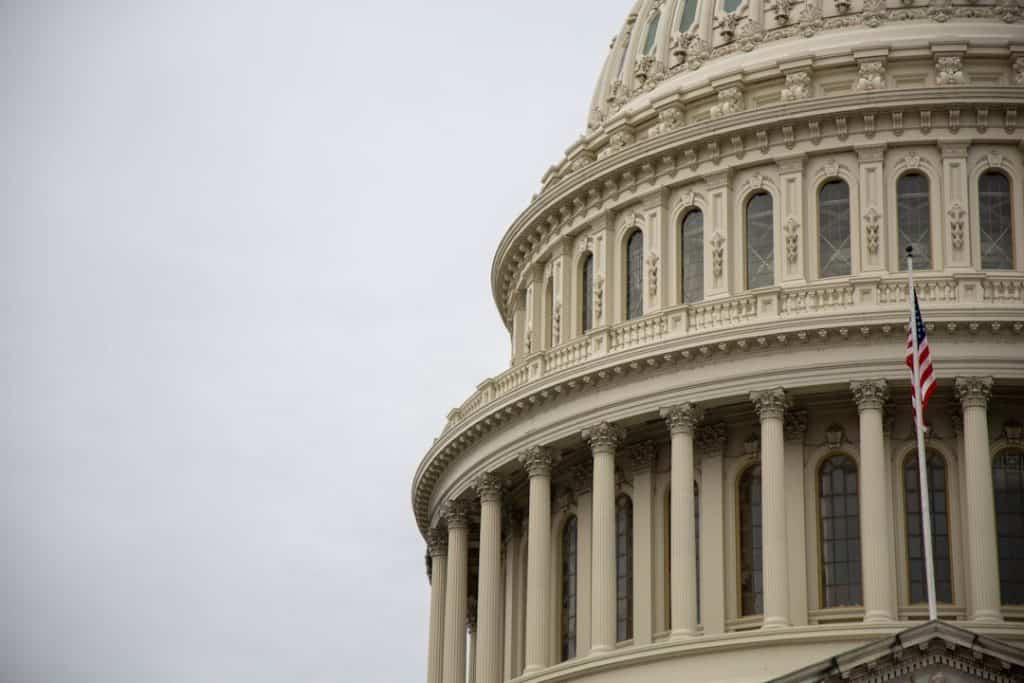
Vigilante justice has been a recurring phenomenon throughout human history, with individuals or groups attempting to enforce their own version of justice outside the established legal system. This behavior often stems from a lack of confidence in official law enforcement, a desire for rapid resolution, or feelings of helplessness in the face of criminal activity. The advent of social media and constant news coverage has further facilitated the spread of vigilantism by enabling quick information sharing and mobilization of like-minded individuals. In recent years, online communities dedicated to exposing and punishing alleged criminals have emerged as a prominent form of vigilante justice. These groups frequently operate independently of legal authorities, utilizing social media platforms to gather evidence, identify suspects, and pressure law enforcement to act. The rise of such online vigilante groups has prompted discussions about the influence of social media on public opinion and the pursuit of justice. The increase in vigilante justice is also evident in the growing number of citizen patrols and neighborhood watch groups formed in response to rising crime rates in certain areas. While these groups often aim to deter criminal activity and enhance community safety, they can sometimes blur the distinction between vigilantism and community-based policing efforts. As vigilante justice continues to gain prominence in various forms, it is crucial to consider the potential risks and ethical concerns associated with individuals or groups taking law enforcement into their own hands. Key Takeaways Vigilante justice is on the rise due to a lack of trust in traditional law enforcement and a desire for swift justice. Vigilante justice poses dangers such as the potential for innocent people to be targeted and the risk of escalating violence. There are legal and ethical implications of vigilante justice, including the violation of due process and the potential for individuals to take the law into their own hands. Famous cases of vigilante justice include the actions of groups like the Ku Klux Klan and individuals like George Zimmerman. Alternatives to vigilante justice include community policing, restorative justice programs, and increased transparency and accountability within law enforcement. Social media plays a significant role in vigilante justice by enabling the rapid spread of information and the mobilization of individuals to take action. The future of vigilante justice may involve a continued struggle to balance the desire for justice with the need to uphold the rule of law. The Dangers of Vigilante Justice The Risk of Wrongful Accusations While the concept of vigilante justice may seem appealing to some, there are significant dangers and risks associated with individuals or groups taking the law into their own hands. One of the primary dangers of vigilante justice is the potential for innocent individuals to be wrongly accused and targeted based on misinformation or biased perceptions. Without the safeguards and due process provided by the legal system, there is a heightened risk of wrongful accusations and unjust punishment. Breakdown of Social Order and Escalation of Violence Furthermore, vigilante justice can lead to a breakdown of social order and an escalation of violence, as individuals seek retribution without oversight or accountability. This can create a cycle of retaliation and vigilantism that undermines the rule of law and perpetuates a culture of violence. Additionally, vigilante actions can undermine the authority and legitimacy of law enforcement and judicial institutions, eroding public trust in the legal system and hindering efforts to maintain peace and order within society. Danger of Discriminatory Treatment Another significant danger of vigilante justice is the potential for individuals to act on their own biases and prejudices, leading to discriminatory or unjust treatment of others. Without the checks and balances provided by the legal system, there is a greater risk of individuals acting on personal vendettas or prejudices, which can result in unfair treatment and harm to marginalized or vulnerable populations. As such, it is crucial to recognize the dangers of vigilante justice and consider alternative approaches to addressing crime and injustice within society. Legal and Ethical Implications of Vigilante Justice The rise of vigilante justice raises important legal and ethical implications that must be carefully considered. From a legal standpoint, vigilante actions often operate outside of the boundaries set by the legal system, leading to potential conflicts with established laws and regulations. This can result in individuals facing legal consequences for taking matters into their own hands, as their actions may be deemed as vigilantism or unlawful behavior. Additionally, vigilante actions can complicate ongoing legal investigations and court proceedings, potentially undermining the pursuit of justice within the established legal framework. Ethically, vigilante justice raises questions about fairness, due process, and the principles of justice. Without proper oversight and accountability, there is a risk that individuals may act on personal biases or emotions, leading to unfair treatment and harm to others. Furthermore, vigilante actions can perpetuate a culture of violence and retribution, undermining efforts to promote peace, reconciliation, and rehabilitation within society. As such, it is essential to carefully consider the legal and ethical implications of vigilante justice and strive to uphold principles of fairness, accountability, and respect for human rights. In response to the legal and ethical implications of vigilante justice, it is important for communities to work towards strengthening trust in the legal system and promoting avenues for peaceful resolution of conflicts. This can involve efforts to improve access to justice, address systemic inequalities within the legal system, and foster dialogue between law enforcement, community members, and other stakeholders. By addressing underlying issues that contribute to the rise of vigilante justice, communities can work towards creating a more just and equitable society for all. Famous Cases of Vigilante Justice Case Location Date Outcome George Zimmerman and Trayvon Martin Sanford, Florida, USA February 26, 2012 Zimmerman acquitted of murder charges Bernhard Goetz New York City, USA December 22, 1984 Goetz acquitted of attempted murder charges Harry Gleeson Tipperary, Ireland November 21, 1940 Gleeson executed and later exonerated Throughout history, there have been numerous famous cases of vigilante justice that have captured public attention and sparked
Understanding California Common Law Marriage: Time Requirement

Common law marriage is a legal concept that recognizes certain couples as married without the need for a formal ceremony or marriage license. This type of union is acknowledged in some U.S. states, typically requiring couples to cohabitate and present themselves publicly as married. However, common law marriage has become less prevalent in recent times, and many states do not recognize it. In California, common law marriage is not legally recognized. Nevertheless, the state does grant specific rights and responsibilities to couples who meet certain criteria. Common law marriage is established through the couple’s actions and behaviors rather than a formal legal process. To be considered common law married, couples must live together and represent themselves to others as a married couple. While this arrangement can confer certain legal rights and responsibilities, it is crucial to understand that recognition of common law marriage varies by state, and the associated laws can differ significantly between jurisdictions. Key Takeaways Common law marriage is a legal concept that recognizes a couple as married without a formal ceremony or marriage license. In California, there is no specific time requirement for common law marriage to be recognized. Factors such as presenting themselves as a married couple, joint ownership of property, and filing taxes jointly are considered in determining common law marriage in California. Common law marriage and registered domestic partnership are two different legal relationships in California, each with its own rights and responsibilities. Seeking legal advice is important for couples in California who want to understand their rights and responsibilities in a common law marriage or registered domestic partnership. The Time Requirement for Common Law Marriage in California No Time Requirement for Common Law Marriage In California, there is no specific time requirement for common law marriage because the state does not recognize this type of marriage. Rights and Responsibilities for Cohabiting Couples However, California does recognize certain rights and responsibilities for couples who meet specific criteria, regardless of whether they are legally married or not. This means that couples who have been living together for a significant amount of time may still have legal rights and responsibilities, even if they are not considered common law married. Understanding Legal Rights and Responsibilities While there is no time requirement for common law marriage in California, couples who have been living together for an extended period of time may still have legal rights and responsibilities under the state’s laws. It is important for couples in California to understand their legal rights and responsibilities, regardless of whether they are legally married or not. How Long Must a Couple Live Together to Establish a Common Law Marriage in California? In California, there is no specific time requirement for establishing a common law marriage because the state does not recognize this type of marriage. However, couples who have been living together for an extended period of time may still have legal rights and responsibilities under the state’s laws. This means that the length of time that a couple must live together in order to establish a common law marriage is not a determining factor in California. While there is no specific time requirement for establishing a common law marriage in California, couples who have been living together for a significant amount of time may still have legal rights and responsibilities under the state’s laws. It is important for couples in California to understand their legal rights and responsibilities, regardless of whether they are legally married or not. Factors Considered in Determining the Time Requirement for Common Law Marriage Factors Considerations Living together How long the couple has been living together as a married couple Intent Whether the couple intended to be married and presented themselves as a married couple to others Joint assets Ownership of property, joint bank accounts, and other shared assets Children Whether the couple has children together and how they have raised them Public perception How the couple is perceived by the community and how they hold themselves out to the public While there is no specific time requirement for common law marriage in California, there are certain factors that may be considered in determining whether a couple has established a common law marriage. These factors may include the length of time that the couple has been living together, their actions and behaviors as a couple, and how they present themselves to others. While these factors may be considered in determining the legal rights and responsibilities of a couple, it is important to note that common law marriage is not recognized in California. In California, the factors considered in determining the time requirement for common law marriage may include the couple’s actions and behaviors, how they present themselves to others, and the length of time that they have been living together. While these factors may be considered in determining the legal rights and responsibilities of a couple, it is important to note that common law marriage is not recognized in California. In California, couples who are not legally married may still have certain rights and responsibilities through a registered domestic partnership. A registered domestic partnership is a legal relationship that provides many of the same rights and responsibilities as marriage, and it is available to both same-sex and opposite-sex couples. While common law marriage is not recognized in California, couples who meet specific criteria may still have legal rights and responsibilities through a registered domestic partnership. While common law marriage is not recognized in California, couples who are not legally married may still have certain rights and responsibilities through a registered domestic partnership. This legal relationship provides many of the same rights and responsibilities as marriage, and it is available to both same-sex and opposite-sex couples. It is important for couples in California to understand their options for legal recognition and protection, whether through marriage, common law marriage (if recognized), or a registered domestic partnership. Legal Rights and Responsibilities of Common Law Marriage in California Legal Rights and Responsibilities These rights and responsibilities may include
Understanding Safety Data Sheets: Legal Responsibility

Safety Data Sheets (SDS) are crucial documents for workplace safety, providing detailed information about chemical properties, hazards, and safe handling procedures. They enable employees to understand and mitigate risks associated with their work environment by offering comprehensive guidance on proper storage, handling, and disposal of hazardous substances, as well as emergency procedures for accidental exposure or spills. Without access to accurate and up-to-date SDS, employees may face increased risks of exposure to harmful chemicals, potentially leading to health issues and workplace accidents. SDS also play a vital role in emergency response situations. During chemical spills, fires, or other hazardous incidents, emergency responders rely on these documents to quickly assess risks and determine appropriate response measures. The absence of this critical information may hinder emergency personnel’s ability to handle situations effectively, potentially endangering themselves and others. Therefore, employers must ensure that SDS are readily available and easily accessible to all employees and emergency responders to minimize potential risks and maintain a safe working environment. Key Takeaways Safety Data Sheets (SDS) are crucial for providing information on the safe handling, use, storage, and disposal of hazardous chemicals in the workplace. Legal requirements mandate that manufacturers, importers, and distributors of hazardous chemicals must provide SDS to downstream users. Employers are responsible for ensuring that SDS are readily accessible to employees, and that they are properly trained on how to use and interpret the information on the sheets. Understanding the content of SDS is essential for identifying hazards, implementing control measures, and responding to emergencies involving hazardous chemicals. Training and education on SDS should be provided to employees to ensure they understand the hazards associated with the chemicals they work with and how to protect themselves. Non-compliance with SDS requirements can result in serious consequences, including fines, penalties, and increased risk of accidents and injuries in the workplace. Resources for accessing SDS include manufacturers, distributors, online databases, and chemical safety organizations. Legal Requirements for Safety Data Sheets Legal Requirements for Safety Data Sheets In the United States, the Occupational Safety and Health Administration (OSHA) requires employers to maintain SDS for all hazardous chemicals present in the workplace and make them readily accessible to employees. Similarly, under the European Union’s REACH regulation, manufacturers and importers must provide SDS for all hazardous substances they produce or import. Consequences of Non-Compliance Failure to comply with these legal requirements can result in severe penalties for employers, including fines and potential legal action. Moreover, non-compliance with SDS regulations can put employees at risk of exposure to hazardous chemicals, leading to potential health issues and workplace accidents. Ensuring Compliance and Protecting Employee Well-being Therefore, it is imperative for employers to understand and adhere to the legal requirements for Safety Data Sheets to ensure compliance with workplace safety regulations and protect the well-being of their employees. Responsibility of Employers in Providing Safety Data Sheets Employers have a legal and ethical responsibility to provide Safety Data Sheets to their employees as part of their duty to ensure a safe and healthy work environment. This includes obtaining SDS from chemical manufacturers or suppliers and making them readily accessible to all employees who may be exposed to hazardous substances in the course of their work. Employers must also ensure that SDS are kept up-to-date and reflect any changes in the properties or hazards of the chemicals used in the workplace. Furthermore, employers are responsible for ensuring that employees are trained on how to read and interpret Safety Data Sheets, as well as understand the potential hazards associated with the chemicals they work with. This training should include information on proper handling procedures, personal protective equipment requirements, emergency response protocols, and any other relevant safety measures. By providing comprehensive training and education on SDS, employers can empower their employees to make informed decisions about their safety and take appropriate precautions to prevent accidents and injuries. Overall, it is essential for employers to take their responsibility for providing Safety Data Sheets seriously in order to comply with legal requirements, protect the health and safety of their employees, and create a culture of safety in the workplace. Understanding the Content of Safety Data Sheets Topic Metrics Number of Safety Data Sheets (SDS) reviewed 100 Percentage of employees who understand SDS content 85% Commonly misunderstood sections of SDS Section 9: Physical and Chemical Properties Training hours on SDS comprehension 20 hours Safety Data Sheets contain a wealth of information about the properties, hazards, and safe handling procedures for chemicals used in the workplace. It is essential for employees to understand how to read and interpret SDS in order to effectively mitigate risks and protect themselves from potential harm. The content of SDS is typically organized into 16 sections, each providing specific details about the chemical in question. Some of the key information included in Safety Data Sheets includes the chemical’s composition and ingredients, its physical and chemical properties, potential hazards for human health and the environment, safe handling and storage procedures, exposure controls and personal protective equipment requirements, emergency measures in case of accidental exposure or spills, as well as regulatory information and other relevant data. By understanding the content of Safety Data Sheets, employees can identify potential hazards associated with the chemicals they work with, as well as take appropriate precautions to minimize risks. This includes using personal protective equipment such as gloves, goggles, or respirators when handling hazardous substances, following proper storage and handling procedures, and knowing how to respond in case of an emergency. Overall, a thorough understanding of SDS empowers employees to make informed decisions about their safety and take proactive measures to prevent accidents and injuries in the workplace. Training and Education on Safety Data Sheets In order to effectively utilize Safety Data Sheets and ensure workplace safety, it is essential for employers to provide comprehensive training and education on how to read and interpret SDS. This training should be provided to all employees who may come into contact with hazardous chemicals as part of their job duties. By educating employees on
Important Reminder: Last Day to Pay Rent by Law

The rent payment deadline is a critical element of property rental agreements. Typically specified in the lease, this date marks when tenants must submit their rent to the landlord. This deadline is generally non-negotiable, and failure to meet it can lead to significant consequences. Tenants should fully comprehend and comply with the rent payment deadline to maintain positive landlord relations and avoid potential legal complications. Rent payment deadlines are commonly set on a monthly cycle, with the due date recurring on the same day each month. For instance, if a lease stipulates rent is due on the 1st of every month, tenants are expected to make payment by this date. Some landlords may offer a brief grace period following the due date, but tenants should confirm this with their landlord to prevent misunderstandings. A clear understanding of the rent payment deadline is crucial for tenants to effectively manage their finances and budget accordingly. Key Takeaways Rent payment deadlines are typically outlined in the lease agreement and must be adhered to by tenants. Late rent payments can result in consequences such as late fees, eviction notices, and damage to credit scores. Tenants have options for making timely rent payments, such as setting up automatic payments or negotiating a different payment schedule with their landlord. Both tenants and landlords have legal rights and responsibilities when it comes to rent payments, and it’s important to understand these to avoid disputes. Open and honest communication with landlords about payment concerns can help tenants avoid negative consequences and find solutions. Tenants facing financial difficulties can seek assistance from government programs, non-profit organizations, or their landlords to help with rent payments. Planning ahead and budgeting for future rent payments can help tenants avoid late payments and financial stress. Consequences of Late Rent Payment Damage to Credit Score Additionally, repeated late payments can damage the tenant’s credit score, making it difficult for them to secure future rental properties or loans. Eviction Proceedings and Strained Relationships In some cases, landlords may even initiate eviction proceedings if the tenant consistently fails to pay rent on time. Late rent payment can also strain the relationship between the tenant and landlord. It can erode trust and lead to tension, making it difficult for both parties to communicate effectively. Impact on Landlord’s Cash Flow Furthermore, late rent payment can disrupt the landlord’s cash flow, making it challenging for them to cover their own expenses and maintain the property. It is important for tenants to understand the consequences of late rent payment and take proactive measures to ensure timely payments. Options for Making Timely Rent Payments Tenants have several options for making timely rent payments. One common method is to set up automatic payments through their bank account or online payment platform. This ensures that the rent is deducted from the tenant’s account and transferred to the landlord on the due date, eliminating the risk of forgetting to make the payment. Another option is to set reminders on their calendar or phone to prompt them to make the payment before the deadline. Some tenants may also consider adjusting their budget to prioritize rent payments. This may involve cutting back on discretionary expenses or finding additional sources of income to ensure that they have enough funds to cover the rent each month. It is important for tenants to explore these options and find a method that works best for their individual financial situation to avoid late rent payments. Legal Rights and Responsibilities of Tenants and Landlords Topic Tenants Landlords Rental Agreement Must sign a rental agreement before moving in Must provide a written rental agreement to the tenant Rent Payment Must pay rent on time as per the agreement Must provide a receipt for rent payment Repairs and Maintenance Report any repairs needed to the landlord Responsible for maintaining the property in good condition Privacy Landlord must provide notice before entering the property Has the right to enter the property for inspections or repairs with proper notice Eviction Cannot be evicted without proper legal process Can evict a tenant for valid reasons and following legal procedures Both tenants and landlords have legal rights and responsibilities when it comes to rent payments. Tenants have the right to a safe and habitable living environment, and landlords are responsible for maintaining the property in good condition. In return, tenants are obligated to pay rent on time and adhere to the terms of the lease agreement. Landlords have the right to collect rent as outlined in the lease agreement and can take legal action if the tenant fails to do so. In the event of late rent payment, landlords must follow the legal process for addressing the issue. This may involve sending a notice to the tenant, imposing late fees, or initiating eviction proceedings if the problem persists. Tenants have the right to dispute any unfair charges or eviction attempts and seek legal assistance if necessary. It is important for both parties to understand their legal rights and responsibilities to avoid any potential disputes or legal issues related to rent payments. Communicating with Landlords about Payment Concerns Open communication with landlords is essential when tenants are facing challenges with rent payments. If a tenant anticipates difficulty in making a timely payment, it is important for them to inform their landlord as soon as possible. This can help establish trust and demonstrate a willingness to address the issue responsibly. Landlords may be willing to work with tenants to find a solution, such as setting up a payment plan or adjusting the due date in certain circumstances. When communicating with landlords about payment concerns, tenants should be honest and transparent about their financial situation. They can provide documentation or evidence to support their claim and show that they are actively seeking ways to resolve the issue. It is important for tenants to keep records of all communication with their landlord regarding payment concerns, including emails, letters, or notes from phone conversations, in case they need to refer back to
Who Must Wear a USCG-Approved PFD in Texas

The United States Coast Guard (USCG) has established regulations for the use of personal flotation devices (PFDs) to ensure the safety of boaters, watercraft operators, swimmers, and non-motorized watercraft users. USCG-approved PFDs are designed to provide buoyancy and keep individuals afloat in the water. These PFDs are classified into different types based on their intended use and buoyancy levels. It is important for individuals to understand the regulations and requirements for using USCG-approved PFDs to prevent accidents and ensure their safety while on the water. USCG-approved PFDs are essential safety equipment for anyone participating in water activities, including boating, swimming, and using non-motorized watercraft. These devices are designed to keep individuals afloat in the water and provide additional support in case of an emergency. The USCG has established specific requirements for the use of PFDs based on the type of water activity and the age of the individual. It is important for boaters, watercraft operators, swimmers, and non-motorized watercraft users to familiarize themselves with these regulations to ensure compliance and promote safety on the water. Key Takeaways USCG-approved PFDs are essential for boaters, watercraft operators, swimmers, and non-motorized watercraft users to ensure safety on the water. It is important for boaters and watercraft operators to always wear a USCG-approved PFD while on the water, regardless of their swimming abilities. Swimmers and non-motorized watercraft users should also wear USCG-approved PFDs to stay safe, especially in areas with heavy boat traffic. Children and minors are required to wear USCG-approved PFDs at all times while on the water, and it is the responsibility of the adults to ensure compliance. Personal watercraft (PWC) operators must wear a USCG-approved PFD at all times and follow specific regulations for their watercraft. Boaters and Watercraft Operators USCG-Approved PFDs: A Must-Have for Boaters and Watercraft Operators Boaters and watercraft operators are required to have USCG-approved Personal Flotation Devices (PFDs) on board for each individual on the vessel. The type of PFD required depends on the size of the vessel, the type of water activity, and the age of the individuals on board. Proper Use and Maintenance of PFDs In addition to having the appropriate number and type of PFDs, boaters and watercraft operators should familiarize themselves with the proper use and maintenance of PFDs to ensure their effectiveness in case of an emergency. This includes understanding how to properly wear and adjust PFDs, as well as how to inspect and maintain them to ensure they remain in good condition. Wearing PFDs: Understanding the Regulations Boaters and watercraft operators should also be aware of the specific regulations for wearing PFDs while underway. In some states, individuals are required to wear a PFD at all times while on board a vessel, especially when the vessel is underway or operating at high speeds. It is essential to understand these regulations and ensure that everyone on board is wearing a PFD when required. Promoting Safety on the Water By following these regulations and ensuring that everyone on board has access to a properly maintained and worn PFD, boaters and watercraft operators can promote safety on the water and prevent accidents or injuries. Swimmers and Non-Motorized Watercraft Users Swimmers and non-motorized watercraft users are also required to comply with USCG regulations regarding the use of PFDs. While swimmers may not be required to wear a PFD at all times, it is important for individuals to have a PFD readily available when participating in water activities. Non-motorized watercraft users, such as kayakers, paddleboarders, and canoeists, are required to have a USCG-approved PFD on board their watercraft at all times. These regulations are in place to ensure the safety of individuals participating in water activities and to prevent accidents or injuries. Swimmers and non-motorized watercraft users should also be aware of the specific type of PFD required for their activity. Different types of PFDs are designed for specific water activities, such as kayaking or paddleboarding, and it is important for individuals to use the appropriate type of PFD for their chosen activity. By following these regulations and using the correct type of PFD, swimmers and non-motorized watercraft users can ensure their safety while on the water. Children and Minors Category Metrics Child Population Number of children under 18 years old in a specific area Child Poverty Rate Percentage of children living below the poverty line Child Mortality Rate Number of deaths of children under 5 years old per 1,000 live births Child Education Enrollment Percentage of children enrolled in primary and secondary education Children and minors are required to wear USCG-approved PFDs while participating in water activities. The type of PFD required depends on the age and size of the child, as well as the type of water activity. It is important for parents and guardians to ensure that children and minors have the appropriate PFDs that fit properly and provide the necessary buoyancy for their size. Additionally, adults should closely supervise children and minors while they are on or near the water to prevent accidents and ensure their safety. Parents and guardians should also educate children and minors about the importance of wearing a PFD while participating in water activities. By teaching children about water safety and the proper use of PFDs, parents can instill good habits and promote safety while on the water. It is important for adults to lead by example and always wear a PFD themselves to demonstrate the importance of this safety equipment. Personal Watercraft (PWC) Operators Personal watercraft (PWC) operators are required to wear USCG-approved PFDs at all times while operating a PWThese devices are designed to provide additional buoyancy and support in case of an emergency, such as falling off the PWC or being involved in a collision. It is important for PWC operators to wear a PFD that fits properly and provides the necessary buoyancy for their size to ensure their safety while on the water. PWC operators should also be aware of specific regulations regarding the use of PFDs while operating a PWIn some states,
Maryland Law: Minimum Distance for Driver and Cyclist

Maryland law mandates a specific minimum distance for drivers when passing cyclists on the road. This regulation aims to enhance cyclist safety and minimize the risk of accidents and injuries. Cyclists are also subject to certain rules and regulations when using the road, promoting safe interaction with motorists. It is crucial for both drivers and cyclists to understand these laws and requirements to ensure road safety for all users. This article will examine the Maryland law concerning the minimum distance requirement for drivers passing cyclists, as well as the corresponding requirements for cyclists when riding on the road. We will address the penalties for non-compliance with these regulations and offer guidance to both drivers and cyclists on safely sharing the road. Furthermore, we will discuss advocacy and educational initiatives designed to promote safe driver-cyclist interactions in Maryland. Key Takeaways Maryland law requires drivers to give at least 3 feet of space when passing cyclists on the road. Drivers should slow down and wait for a safe opportunity to pass when encountering cyclists on the road. Cyclists in Maryland are required to ride as far to the right as practicable, but are not required to ride on the shoulder. Violating the minimum distance requirement can result in a fine and points on the driver’s license in Maryland. Drivers should be patient and wait for a clear opportunity to pass, while giving cyclists plenty of space. Understanding the Minimum Distance Requirement for Drivers when Passing Cyclists in Maryland Minimum Distance Requirement In Maryland, drivers are required to maintain a minimum distance of at least 3 feet when passing cyclists on the road. This means that when overtaking a cyclist, drivers must ensure that there is a distance of at least 3 feet between their vehicle and the cyclist. This requirement is crucial for the safety of cyclists, as it reduces the risk of collisions and provides them with enough space to maneuver safely. Consequences of Non-Compliance Failure to adhere to this minimum distance requirement can result in serious consequences, including fines and penalties. It is important for drivers to be aware of this law and exercise caution when passing cyclists on the road. Additionally, drivers should always be mindful of their speed and be prepared to slow down or wait for a safe opportunity to pass when encountering cyclists on the road. Importance of Patience and Respect On top of the legal requirements, it is also important for drivers to exercise patience and respect when sharing the road with cyclists. Being courteous and considerate towards cyclists can go a long way in promoting a safe and harmonious coexistence on the road. By giving cyclists ample space and being mindful of their presence, drivers can help create a safer environment for everyone. Understanding the Minimum Distance Requirement for Cyclists when Riding on the Road in Maryland Just as drivers are required to maintain a minimum distance when passing cyclists, cyclists in Maryland are also subject to certain rules and regulations when riding on the road. While there is no specific minimum distance requirement for cyclists, they are expected to ride as far to the right side of the road as practicable, except when making left turns, avoiding hazards, or when the lane is too narrow to share safely with a motor vehicle. Cyclists are also required to obey traffic signals and signs, use hand signals to indicate their intentions, and yield to pedestrians when necessary. By following these rules and regulations, cyclists can contribute to a safer and more predictable environment on the road, reducing the risk of accidents and conflicts with drivers. It is important for cyclists to be mindful of their surroundings and communicate their intentions clearly to drivers. Using hand signals, maintaining a predictable line of travel, and being aware of potential hazards can help cyclists navigate the road safely. Additionally, wearing bright and reflective clothing, using lights at night, and equipping their bikes with proper safety equipment can enhance their visibility and reduce the risk of accidents. Consequences for Violating the Minimum Distance Requirement in Maryland Violation Type Consequences First Offense Up to 500 fine Second Offense Up to 1000 fine and/or up to 6 months imprisonment Subsequent Offenses Up to 5000 fine and/or up to 1 year imprisonment Violating the minimum distance requirement for passing cyclists in Maryland can result in serious consequences for drivers. In accordance with Maryland law, drivers who fail to maintain a minimum distance of at least 3 feet when passing cyclists can be fined up to $1,000 and receive three points on their driver’s license. These penalties underscore the importance of adhering to this requirement and exercising caution when sharing the road with cyclists. In addition to fines and points on their license, drivers who violate the minimum distance requirement may also face civil liability if their actions result in injury or property damage to a cyclist. This can lead to costly legal proceedings and potential financial repercussions for the driver. Therefore, it is crucial for drivers to be aware of this law and take proactive measures to ensure the safety of cyclists on the road. Furthermore, violating the minimum distance requirement can also have broader implications for public safety. Collisions between vehicles and cyclists can result in serious injuries or even fatalities, impacting not only the individuals involved but also their families and communities. By adhering to the minimum distance requirement and exercising caution when passing cyclists, drivers can contribute to a safer and more harmonious environment on the road. Tips for Drivers on Safely Passing Cyclists in Maryland For drivers in Maryland, safely passing cyclists on the road requires attentiveness, patience, and respect for cyclists’ space. Here are some tips to help drivers navigate encounters with cyclists safely: 1. Maintain a safe distance: Always ensure that there is at least 3 feet of space between your vehicle and the cyclist when passing. If it is not possible to pass with this distance, wait for a safe opportunity to overtake. 2.
Florida Vessel Requirements: What’s Aboard

Florida law mandates the registration and titling of all motorized vessels, including personal watercraft, regardless of the type of motor (inboard, outboard, or trolling). Non-motorized vessels exceeding 16 feet in length also require registration. Vessel registration is valid for one year and must be renewed annually. Florida regulations stipulate that all vessels must display a valid registration decal and registration number. The registration number must be placed on the forward half of the vessel in block letters at least 3 inches high, in a color contrasting with the vessel’s color. The registration decal should be affixed to the port side of the vessel within 6 inches of the registration number. Vessel operators are responsible for ensuring proper registration and display of required decals and numbers to avoid potential fines or penalties. Key Takeaways All vessels in Florida must be registered and titled, and operators must carry the proper documentation on board at all times. Safety equipment such as life jackets, fire extinguishers, and distress signals must be on board and in good working condition. Navigation and communication devices, such as GPS, VHF radio, and sound signaling devices, are essential for safe boating. Fire safety and prevention measures, including regular maintenance of electrical systems and proper storage of flammable materials, are crucial for preventing accidents. Pollution prevention and waste management practices, such as proper disposal of trash and oil, are required to protect Florida’s waterways. Safety Equipment and Gear Safety Equipment Essentials Safety equipment and gear are crucial for any vessel operating in Florida waters. The state has specific requirements for the safety equipment that must be on board each vessel, and it’s essential for operators to familiarize themselves with these requirements to ensure compliance. Some of the required safety equipment includes personal flotation devices (PFDs), fire extinguishers, visual distress signals, sound-producing devices, navigation lights, and more. Personal Flotation Devices (PFDs) Personal flotation devices, or PFDs, are perhaps the most critical piece of safety equipment on any vessel. Florida law requires that there must be one wearable PFD for each person on board the vessel, and they must be US Coast Guard-approved. Additional Safety Equipment Requirements In addition to PFDs, vessels are also required to have at least one Type B fire extinguisher on board if they have an inboard engine, enclosed compartments where flammable or combustible materials are stored, or closed living spaces. Visual distress signals, such as flares or flags, are also required for vessels operating in coastal waters. It’s crucial for vessel operators to ensure that they have all the required safety equipment on board and that it is in good working condition before heading out on the water. Navigation and Communication Devices Navigation and communication devices are essential for safe and efficient vessel operation in Florida waters. Vessels operating in coastal waters or offshore must be equipped with the necessary navigation and communication devices to ensure safe navigation and effective communication with other vessels and emergency services. Some of the required navigation and communication devices include a marine VHF radio, GPS navigation system, compass, and more. A marine VHF radio is a crucial communication device for vessels operating in coastal waters. It allows operators to communicate with other vessels, as well as with emergency services such as the US Coast Guard. In addition to a marine VHF radio, vessels are also required to have a GPS navigation system to aid in safe navigation. A compass is also essential for maintaining proper heading and direction while out on the water. It’s important for vessel operators to ensure that their navigation and communication devices are in good working condition before heading out on the water to ensure safe and efficient operation. Fire Safety and Prevention Category Metrics Fire Incidents Number of reported fire incidents Fire Drills Frequency of fire drills conducted Smoke Alarms Percentage of buildings equipped with working smoke alarms Fire Extinguishers Number of fire extinguishers available per building Fire Safety Training Number of employees trained in fire safety procedures Fire safety and prevention are critical aspects of vessel operation in Florida waters. Vessels are required to have certain fire safety equipment on board to prevent and respond to fires effectively. It’s important for operators to familiarize themselves with the state’s requirements for fire safety equipment and take necessary precautions to prevent fires from occurring on their vessels. One of the most important pieces of fire safety equipment required on vessels is a Type B fire extinguisher. Vessels with an inboard engine, enclosed compartments where flammable or combustible materials are stored, or closed living spaces are required to have at least one Type B fire extinguisher on board. In addition to fire extinguishers, vessels are also required to have a functioning ventilation system to prevent the accumulation of flammable gases in enclosed spaces. It’s crucial for vessel operators to regularly inspect their fire safety equipment and ensure that it is in good working condition to prevent fires from occurring while out on the water. Pollution Prevention and Waste Management Pollution prevention and waste management are important considerations for vessel operators in Florida. It’s crucial for operators to take necessary precautions to prevent pollution and properly manage waste while out on the water to protect the marine environment. Florida has specific regulations regarding pollution prevention and waste management that operators must adhere to. One of the key aspects of pollution prevention is preventing oil and fuel spills from occurring while refueling or operating a vessel. Vessel operators are required to use absorbent materials or spill kits to contain and clean up any oil or fuel spills that may occur. In addition to preventing oil and fuel spills, operators are also required to properly manage waste on their vessels, including trash, sewage, and other waste materials. It’s important for operators to familiarize themselves with Florida’s regulations regarding pollution prevention and waste management and take necessary precautions to protect the marine environment while out on the water. Personal Flotation Devices and Life Saving Equipment Wearable Personal Flotation Devices (PFDs) In
Housekeeper’s Daily Limit: By Law, 15 Rooms

Labor laws play a vital role in safeguarding the rights and welfare of workers, including housekeepers. Many nations have implemented specific legislation and regulations governing working conditions, wages, and safety standards for domestic workers. These legal frameworks aim to ensure fair treatment and provide a secure, healthy work environment for housekeepers. Comprehension of these laws is crucial for both employers and employees to maintain compliance and advocate for necessary improvements. Beyond national legislation, international labor standards established by organizations like the International Labour Organization (ILO) seek to protect workers’ rights globally. These standards encompass various aspects, including fair compensation, work hours, and occupational safety and health. Awareness of these international guidelines is important for both employers and employees, as they offer valuable direction in creating equitable and safe working conditions for housekeepers. Key Takeaways Understanding the law is crucial for both employers and housekeepers to ensure compliance and fair treatment. Housekeepers are disproportionately impacted by health and safety issues in the workplace, making it essential for employers to prioritize their well-being. Ensuring health and safety for housekeepers involves providing proper training, protective equipment, and a safe working environment. Employers play a critical role in upholding the law and protecting the rights of housekeepers through fair wages, reasonable working hours, and access to healthcare. Compliance with labor laws is essential for creating a fair and just working environment for housekeepers, and advocacy for change is necessary to address systemic issues. The Impact on Housekeepers Challenges Faced by Housekeepers Housekeepers often face unique challenges in the workplace, and the impact of labor laws on their lives is significant. Many housekeepers work long hours for low wages, and they may be exposed to hazardous chemicals and unsafe working conditions. In some cases, housekeepers may also experience discrimination or harassment in the workplace. Protection of Rights Labor laws play a crucial role in addressing these issues and ensuring that housekeepers are treated fairly and with respect. One of the key impacts of labor laws on housekeepers is the protection of their rights to fair wages and working conditions. Labor laws often set minimum wage standards and regulate working hours to prevent exploitation and ensure that housekeepers are compensated fairly for their work. Safe and Equitable Workplaces Additionally, labor laws may also require employers to provide safe working environments and to take measures to prevent workplace harassment and discrimination. By upholding these laws, employers can help improve the lives of housekeepers and create a more equitable and safe workplace for all employees. Ensuring Health and Safety Health and safety are paramount concerns for housekeepers, who often work in environments where they may be exposed to hazardous chemicals and physical strain. Labor laws play a crucial role in ensuring that employers take the necessary steps to protect the health and safety of their housekeeping staff. This includes providing proper training on the safe use of cleaning chemicals, ensuring that protective equipment is available, and implementing measures to prevent injuries and accidents in the workplace. In addition to physical health and safety, labor laws also address the importance of mental well-being in the workplace. Housekeepers may face high levels of stress and emotional strain due to the demanding nature of their work, as well as potential discrimination or harassment. Labor laws can help address these issues by requiring employers to create a supportive work environment, provide access to mental health resources, and take action against any form of workplace harassment or discrimination. The Role of Employers Employer Role Provide a safe working environment Ensuring the safety and well-being of employees Offering fair wages and benefits Ensuring employees are compensated fairly for their work Providing opportunities for career growth Supporting employees in their professional development Creating a positive work culture Promoting a healthy and supportive work environment Employers play a crucial role in upholding labor laws and ensuring the well-being of their housekeeping staff. It is essential for employers to be aware of their legal obligations and to take proactive measures to comply with labor laws. This includes providing fair wages, ensuring safe working conditions, and taking action to prevent discrimination and harassment in the workplace. Employers can also take steps to go above and beyond legal requirements to support their housekeeping staff. This may include providing additional training on health and safety practices, offering access to mental health resources, and creating a supportive work environment where all employees feel valued and respected. By taking these proactive measures, employers can help improve the overall well-being of their housekeeping staff and create a positive work culture. The Importance of Compliance Compliance with labor laws is essential for both employers and employees. For employers, compliance helps to avoid legal repercussions and protect the reputation of their business. It also demonstrates a commitment to upholding the rights of their employees and creating a safe and fair workplace. For employees, compliance with labor laws ensures that they are treated fairly, receive fair wages, and work in a safe environment. In addition to legal compliance, there are also ethical considerations that come into play when it comes to upholding labor laws. Employers have a moral responsibility to ensure the well-being of their employees, including housekeepers, and compliance with labor laws is an important part of fulfilling this responsibility. By prioritizing compliance with labor laws, employers can create a positive work culture that values the rights and well-being of all employees. Advocating for Change Addressing Gaps in Labor Laws While labor laws play a crucial role in protecting the rights of housekeepers, there is always room for improvement. Advocating for change in labor laws can help address existing gaps and ensure that housekeepers are provided with the support and protection they need in the workplace. This may include advocating for higher minimum wages, improved safety standards, and stronger protections against discrimination and harassment. Collaborative Efforts for Change Employers, employees, and advocacy groups can all play a role in advocating for change in labor laws. By working together to raise awareness of key issues
Understanding Your Rights When Stopped by Police

It is crucial for every citizen to be aware of their rights when dealing with law enforcement. The United States Constitution guarantees certain rights to individuals, including the right to remain silent, the right to legal representation, and protection against unreasonable searches and seizures. These rights are in place to protect individuals from potential abuse of power by law enforcement officers. Knowing your rights can help you navigate interactions with the police and ensure that your rights are upheld. One of the most important rights to be aware of is the right to remain silent. This means that you have the right to refuse to answer any questions posed by law enforcement. You are not obligated to provide any information that may incriminate you, and it is within your rights to request legal representation before answering any questions. Additionally, the Fourth Amendment protects individuals from unreasonable searches and seizures. This means that law enforcement officers must have a warrant or probable cause to conduct a search of your person, property, or vehicle. Understanding these rights can empower individuals to assert their rights when interacting with the police and ensure that their constitutional protections are upheld. Understanding your rights when dealing with law enforcement is essential for protecting yourself and ensuring that your constitutional protections are upheld. By knowing your rights, you can confidently assert them when interacting with the police and avoid potential violations of your constitutional protections. It is important to educate yourself on your rights and seek legal guidance if you believe your rights have been violated. Being informed about your rights can help you navigate interactions with law enforcement and protect yourself from potential abuse of power. Key Takeaways Know your rights as a citizen, including the right to remain silent and the right to legal representation. Understand police procedures and what to expect during interactions with law enforcement. Know how to handle a traffic stop, including pulling over safely and interacting with the officer. Be aware of your rights regarding search and seizure, including when police can search your property and what they can seize. Understand your rights during questioning, including the right to remain silent and the right to have an attorney present. Know your right to record interactions with law enforcement and the limitations on this right. Seek legal assistance if you feel your rights have been violated or if you are facing legal issues related to police interactions. Understanding Police Procedures Interacting with Law Enforcement When interacting with law enforcement, it is crucial to remain calm and cooperative while also asserting your rights. Law enforcement officers are required to identify themselves and provide a reason for the interaction. You have the right to ask for this information and request legal representation if necessary. Searches and Arrests Understanding the procedures for conducting searches and making arrests can help individuals protect themselves from potential violations of their rights. Law enforcement officers must have a warrant or probable cause to conduct a search, and you have the right to refuse consent to a search if these conditions are not met. Similarly, you have the right to know the reason for your arrest and request legal representation. Empowering Yourself By understanding police procedures, you can protect yourself and assert your rights when interacting with law enforcement. It is essential to be informed about the procedures that law enforcement officers must follow in order to navigate interactions with the police and ensure that your constitutional protections are upheld. Knowing your rights and understanding police procedures can empower you to confidently assert your rights and protect yourself from potential abuse of power. Handling a Traffic Stop Being pulled over by law enforcement can be a stressful experience, but it is important to remain calm and know how to handle a traffic stop in order to protect yourself and assert your rights. When pulled over, it is important to pull over safely, turn off your engine, and remain in your vehicle unless instructed otherwise by the officer. It is also important to keep your hands visible and avoid making any sudden movements in order to ensure the safety of both yourself and the officer. During a traffic stop, law enforcement officers may ask for your license, registration, and proof of insurance. It is within your rights to provide this information, but you are not obligated to answer any additional questions. You have the right to remain silent and request legal representation if necessary. Additionally, if you believe that the traffic stop was unjustified or that your rights were violated, it is important to seek legal guidance in order to protect yourself. Handling a traffic stop can be a nerve-wracking experience, but knowing how to assert your rights can help protect yourself and ensure that your constitutional protections are upheld. By remaining calm, cooperative, and informed about your rights, you can navigate a traffic stop with confidence and protect yourself from potential abuse of power. Dealing with Search and Seizure Aspect Metric Search and Seizure Number of search warrants issued Legal Compliance Percentage of searches conducted in accordance with the law Seized Items Types and quantities of items seized Challenges Number of legal challenges to search and seizure practices The Fourth Amendment protects individuals from unreasonable searches and seizures by law enforcement officers. This means that law enforcement officers must have a warrant or probable cause in order to conduct a search of your person, property, or vehicle. It is important for individuals to understand their rights when it comes to search and seizure in order to protect themselves from potential violations of their constitutional protections. If a law enforcement officer requests to conduct a search, it is within your rights to refuse consent unless they have a warrant or probable cause. You have the right to assert your Fourth Amendment protections and request legal representation if necessary. It is important to remain calm and cooperative while also asserting your rights in order to protect yourself from potential violations. Understanding
The Lawless Ruler: Unconstrained by Legal Boundaries

A lawless ruler is a leader who operates outside established legal frameworks and norms. Such leaders disregard the rule of law, human rights, and democratic principles, instead consolidating power through authoritarian means. They often suppress dissent, manipulate legal systems, and enrich themselves and their inner circle at the expense of the broader population. Lawless rulers can emerge in both democratic and non-democratic countries, with their actions significantly impacting governance, society, and international relations. These leaders typically rise to power through a combination of manipulation, coercion, and exploitation of existing power structures. Once in office, they use their position to further entrench their authority and undermine legal and institutional checks designed to ensure accountability. This behavior can lead to a breakdown in the rule of law, erosion of democratic institutions, and widespread human rights abuses. The consequences of lawless rule extend beyond national borders. Such leadership can create instability and insecurity at regional and international levels, potentially disrupting diplomatic relations, trade agreements, and global cooperation efforts. The actions of lawless rulers can have long-lasting effects on their countries’ political, economic, and social structures, often requiring significant time and effort to reverse. Key Takeaways Lawless rulers often operate outside of legal boundaries and norms, leading to challenges in governance and society. Historical examples of lawless rulers demonstrate the negative impact on their societies and the difficulty in holding them accountable. International law plays a crucial role in addressing the actions of lawless rulers and holding them accountable on a global scale. Holding lawless rulers accountable presents significant challenges, including political, legal, and logistical obstacles. Strategies for addressing lawless rulers include international cooperation, diplomatic pressure, and legal mechanisms such as international tribunals. The Lack of Legal Boundaries Disregard for Legal Boundaries Lawless rulers are defined by their blatant disregard for legal boundaries. They operate with impunity, using their power to bend or break the law to suit their own interests. This can involve manipulating the legal system to target political opponents, stifle dissent, or shield themselves from accountability for their actions. Consolidation of Power In some cases, lawless rulers may even go so far as to rewrite laws or constitutions to consolidate their power and eliminate any potential legal barriers to their rule. This can have profound implications for the functioning of society, leading to a culture of fear and intimidation. Consequences of Lawlessness The lack of legal boundaries under lawless rulers can create an environment of corruption and cronyism, where those with connections to the ruling elite are able to act with impunity while others are subject to arbitrary and unjust treatment. Furthermore, the absence of legal boundaries can undermine economic development and social progress, as individuals and businesses may be hesitant to invest or innovate in an environment where the rule of law is weak or non-existent. Implications for Governance and Society The rise of lawless rulers can have significant implications for governance and society. When leaders operate outside the boundaries of established legal frameworks, it can lead to a breakdown in the rule of law, erosion of democratic institutions, and widespread human rights abuses. This can create an environment of fear and intimidation, where individuals are afraid to speak out or challenge the status quo for fear of reprisal. It can also lead to a culture of corruption and cronyism, where those with connections to the ruling elite are able to act with impunity while others are subject to arbitrary and unjust treatment. The actions of lawless rulers can also have far-reaching implications for society as a whole. It can lead to a lack of trust in government institutions, as individuals may feel that the legal system is rigged in favor of those in power. This can undermine social cohesion and create divisions within society, as individuals may feel marginalized or disenfranchised by the actions of lawless rulers. The lack of legal boundaries can also hinder economic development and social progress, as individuals and businesses may be hesitant to invest or innovate in an environment where the rule of law is weak or non-existent. Historical Examples of Lawless Rulers Ruler Historical Period Lawless Actions Nero Roman Empire (54-68 AD) Persecution of Christians, execution of family members Ivan the Terrible Russia (1533-1584) Mass executions, brutal repression of opposition Genghis Khan Mongol Empire (1206-1227) Massacres, destruction of cities, ruthless conquest Caligula Roman Empire (37-41 AD) Tyrannical rule, extravagance, cruelty Throughout history, there have been numerous examples of lawless rulers who have operated outside the boundaries of established legal frameworks. One notable example is Adolf Hitler, who rose to power in Germany in the 1930s and used his position to dismantle democratic institutions, suppress dissent, and carry out widespread human rights abuses. Another example is Joseph Stalin, who ruled the Soviet Union with an iron fist and used his position to eliminate political opponents, manipulate the legal system, and carry out mass purges and executions. More recent examples include leaders such as Robert Mugabe in Zimbabwe, who used his position to suppress political opposition and enrich himself and his inner circle at the expense of the broader population. Another example is Nicolás Maduro in Venezuela, who has manipulated the legal system to consolidate his power and suppress dissent, leading to widespread human rights abuses and economic hardship for the Venezuelan people. These examples illustrate the devastating effects that lawless rulers can have on governance, society, and international relations. The Role of International Law International law plays a crucial role in holding lawless rulers accountable for their actions. It provides a framework for addressing human rights abuses, war crimes, and crimes against humanity committed by leaders who operate outside the boundaries of established legal frameworks. International law also provides mechanisms for imposing sanctions on lawless rulers and their inner circle, freezing their assets, and restricting their ability to travel internationally. However, international law faces significant challenges when it comes to holding lawless rulers accountable. One challenge is that some lawless rulers may be able to shield themselves from accountability by aligning themselves with